Centering Strength
Doctoral student Sabrina Kabakov’s research supports children with Down Syndrome and cancer
By Laurel White
A sheet of white drawing paper holds a lot of emotions.
The paper features the outline of a body drawn in black marker. Inside the body, a few places — particularly the head, chest, and hands — are filled with whorls of color, swirling and tornado-like. They look chaotic and messy, and that’s the point.
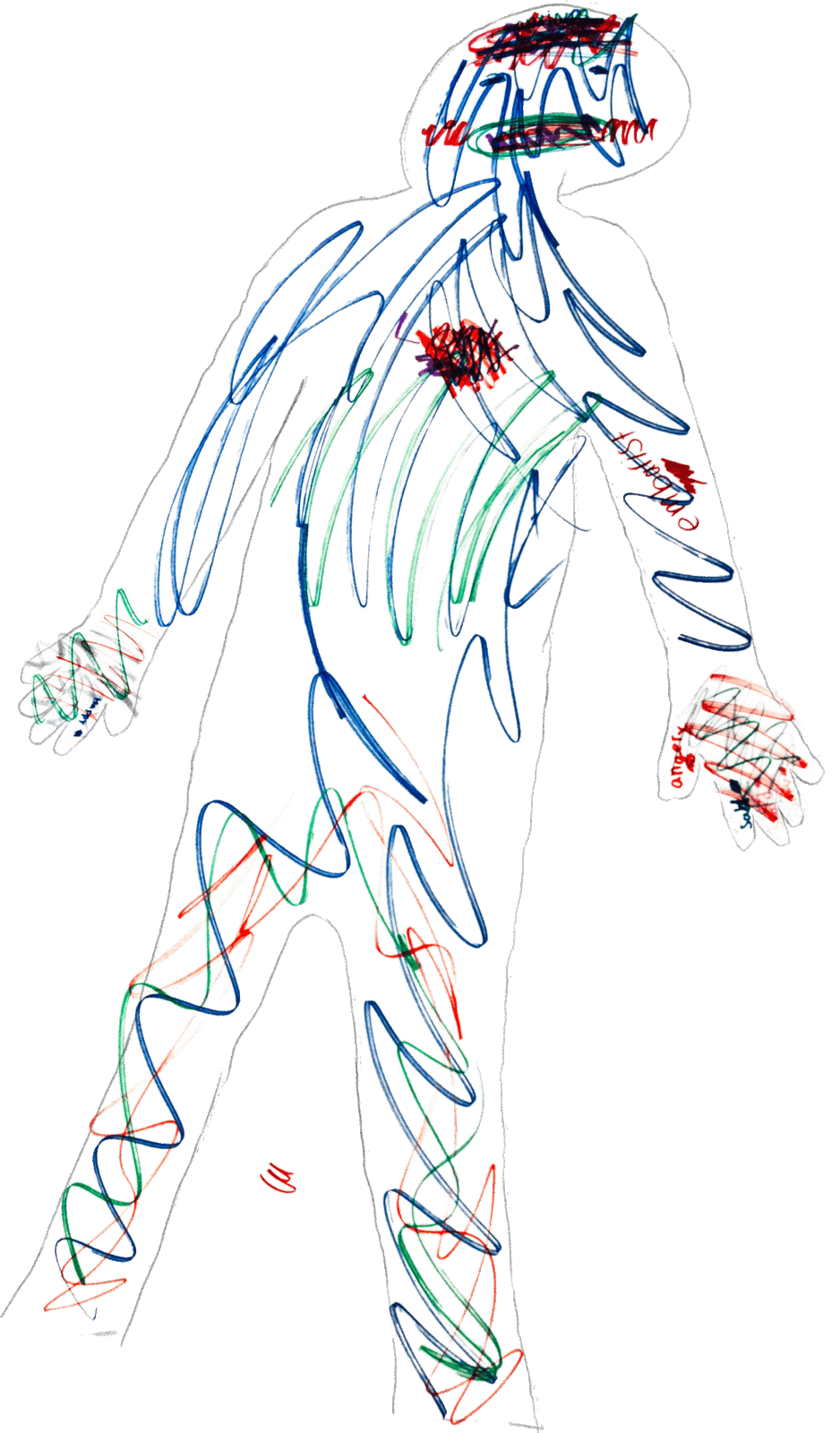
Sabrina Kabakov, a doctoral student in the Department of Kinesiology, came up with the idea behind this art project. She thought using color to visualize where our bodies hold certain emotions could be a good way to help children process strong feelings.
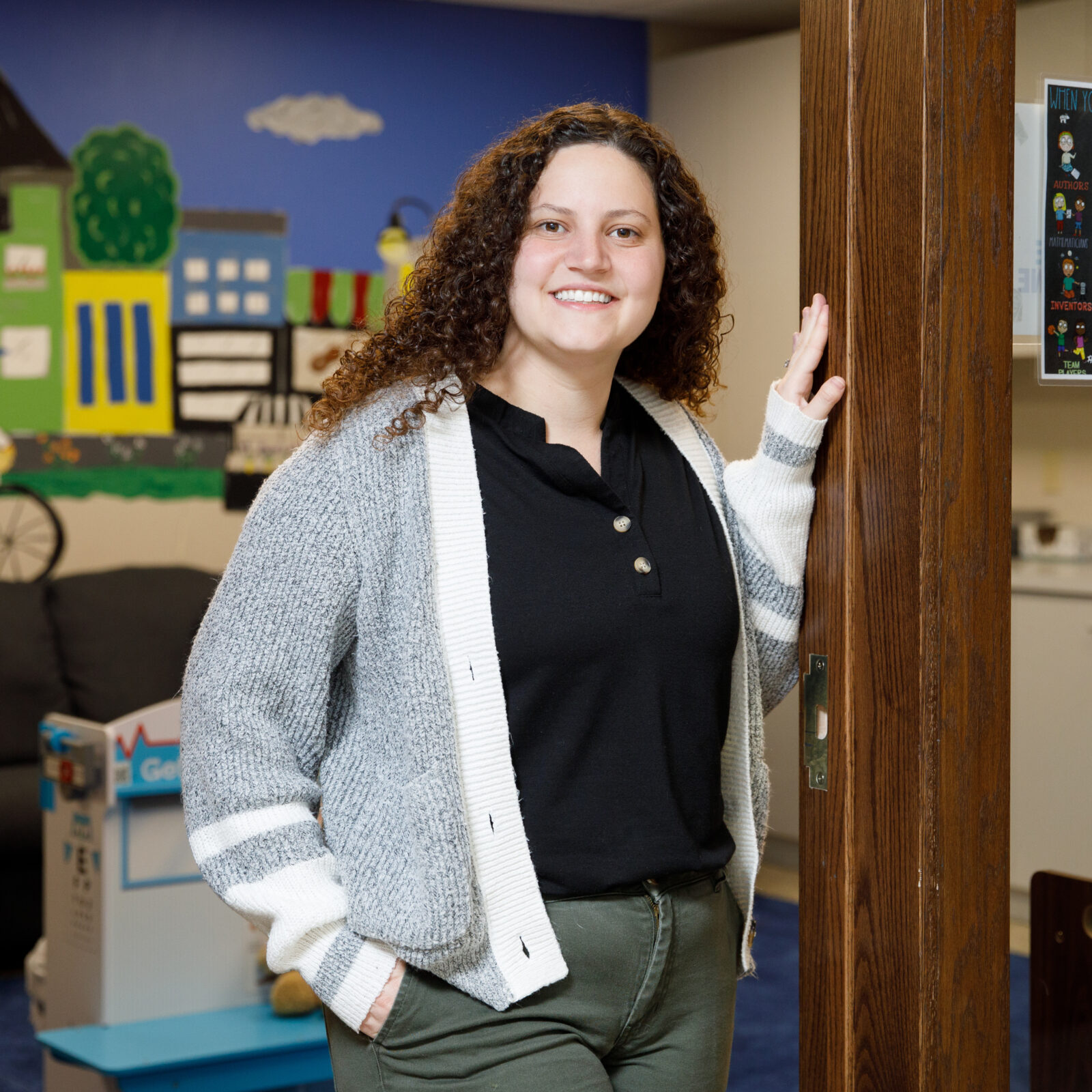
Kabakov is no stranger to strong feelings. As an occupational therapist and doctoral student, she has dedicated much of her budding career to helping children and their families navigate cancer treatment and remission.
“I think there’s a need for more occupational therapists to do work in the cancer space,” Kabakov says. “It’s a complex story for these families, and it’s not just about time spent in the hospital — it’s also about the effect on siblings at home and on caregivers, and how families navigate life outside of active treatment.”
Earlier this year, Kabakov received a prestigious fellowship from the National Institutes of Health (NIH) that will provide several years of funding as she researches the experiences of
a very specific group of childhood cancer patients: those who have been diagnosed with Down Syndrome and cancer.
“Looking at the literature, this group is commonly excluded from survivorship data,” Kabakov explains. “There’s a lot of work to be done.”
Exploring the unique needs of children with these two co-occurring conditions is especially important because children with Down Syndrome have a higher risk of being diagnosed with cancer than children without a Down Syndrome diagnosis. According to the NIH, children with Down Syndrome are up to 20 times more likely to be diagnosed with forms of leukemia, in particular.
In her study, Kabakov will examine experiences with cancer treatment and recovery from three different perspectives: organizations, caregivers, and patients. She hopes to illuminate what resources organizations already have in place to serve these families, what caregivers experience as they work to keep their families afloat, and how patients with Down Syndrome and cancer process life during and after treatment.
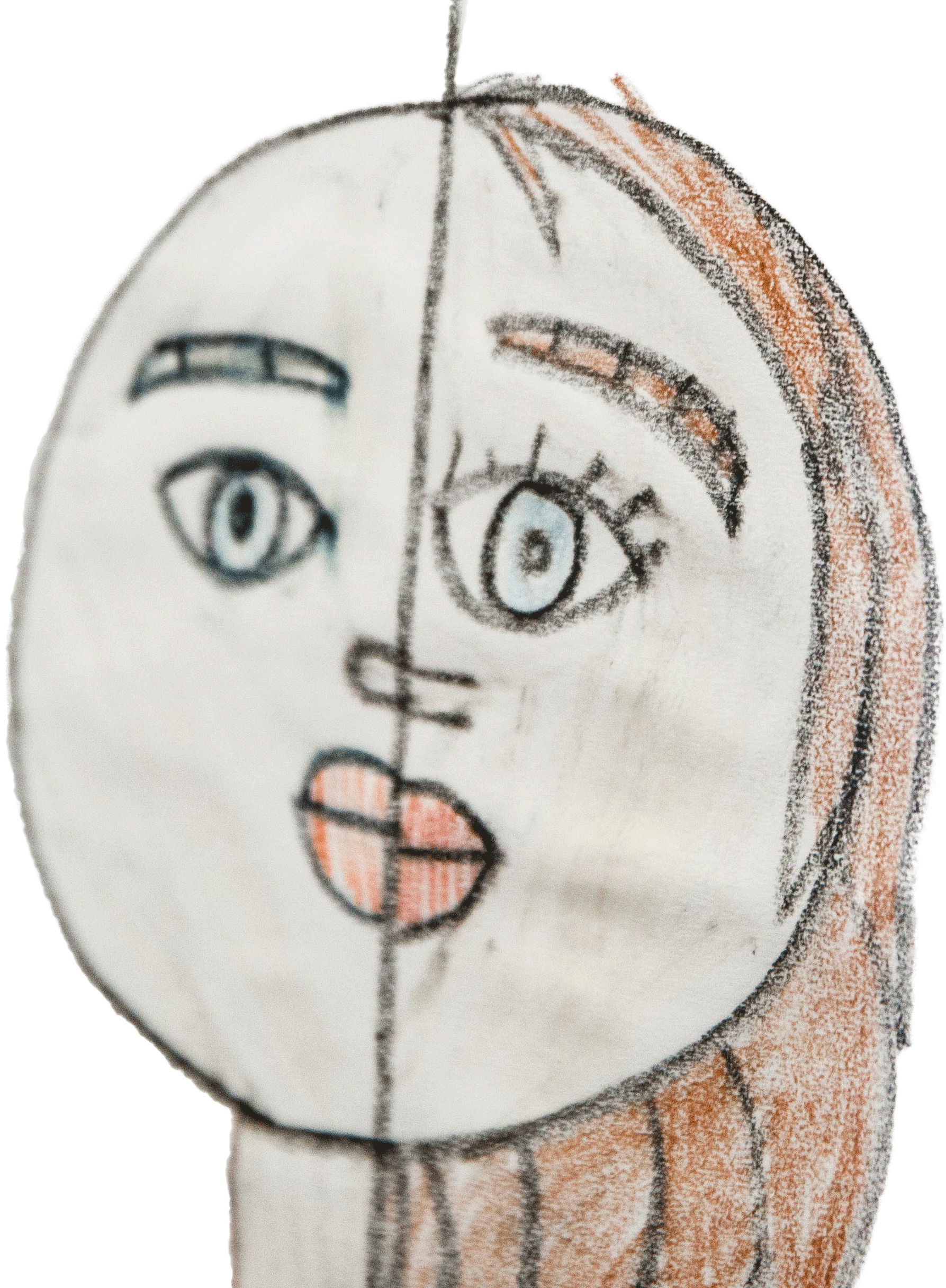
Kabakov hopes to recruit and follow 15 families nationwide for the analysis.
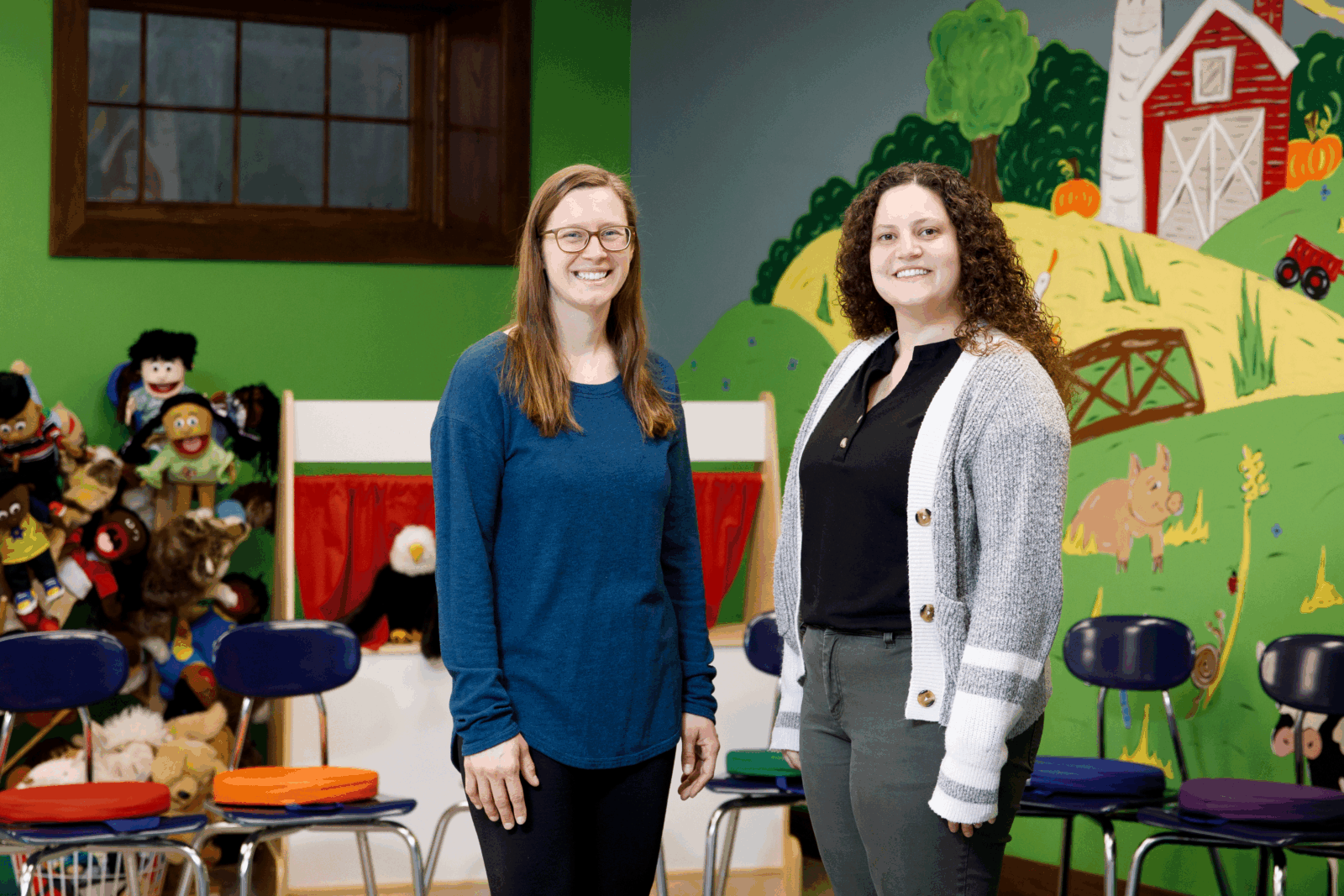
Her ongoing recruitment is made somewhat easier by existing connections with Down Syndrome and cancer communities in Madison. For years, Kabakov has volunteered her time and occupational therapy expertise at local organizations that serve those communities: Gigi’s Playhouse, which provides programming and support for children with Down Syndrome and their families, and Gilda’s Club, which supports cancer patients and their families.
Leadership from both of those organizations, along with a family whose child is in remission from cancer, have also provided feedback on Kabakov’s study aims and outreach. Their guidance helps Kabakov ensure her work remains responsive to the community it seeks to support.
Elizabeth Kunz, program manager at Gilda’s Club, says offering that insight and participating in research can be a uniquely positive experience for families and individuals grappling with cancer diagnosis and treatment.
“A number of patients have shared with me that they have a dream of writing a book, or helping
to write a book, that would help people who are going through something similar to their experience,” Kunz says.
During her time at UW–Madison, which included undergraduate and master’s program studies before her current doctoral program, Kabakov has pursued a slew of research and clinical experiences that have perfectly positioned her current work. In addition to several experiences in oncology labs and treatment facilities, she has also supported research by kinesiology faculty members Brittany Travers and Karla Ausderau on understanding sensory differences between autistic and non-autistic children.
Ausderau says Kabakov is one of the most exceptional graduate students she has ever worked with.
“Her work is particularly impressive because she’s able to integrate rigorous science with meaningful community engagement,” Ausderau says. “And what makes her work especially important is its potential to improve long-term outcomes and quality of life for families and children with disabilities navigating complex, co-occurring conditions. I’m excited to see where Sabrina’s work leads.”
Kabakov says she hopes her work will help center the strengths of children and families facing challenging circumstances.
“I think we tend to see only the challenges,” she says. “There are all of these strengths, too.”
For a family whose child with Down Syndrome has been diagnosed with cancer, those strengths may include an existing support network and well-developed advocacy skills, she explains.
Thanks to her NIH grant, Kabakov has years of guaranteed funding to better understand those strengths — and to figure out the best ways to build upon them. Secure funding and the certainty of carrying a study from inception to impact is rare in the world of early-career research.
“I’ll have the opportunity to take the findings and do the next steps — that’s something that I feel privileged to do,” she says.
In taking those next steps, Kabakov will undoubtedly help many families in Wisconsin
and beyond take their own steps in treatment, recovery, and life beyond a difficult diagnosis.
Steps rooted in strength.