Science on Stage
New Theatre Course Connects Art with Climate Research
This spring, students in ‘Performance in Practice’ transformed Science Hall into a laboratory for interdisciplinary performance, bringing climate research to life.
By Kari Dickinson
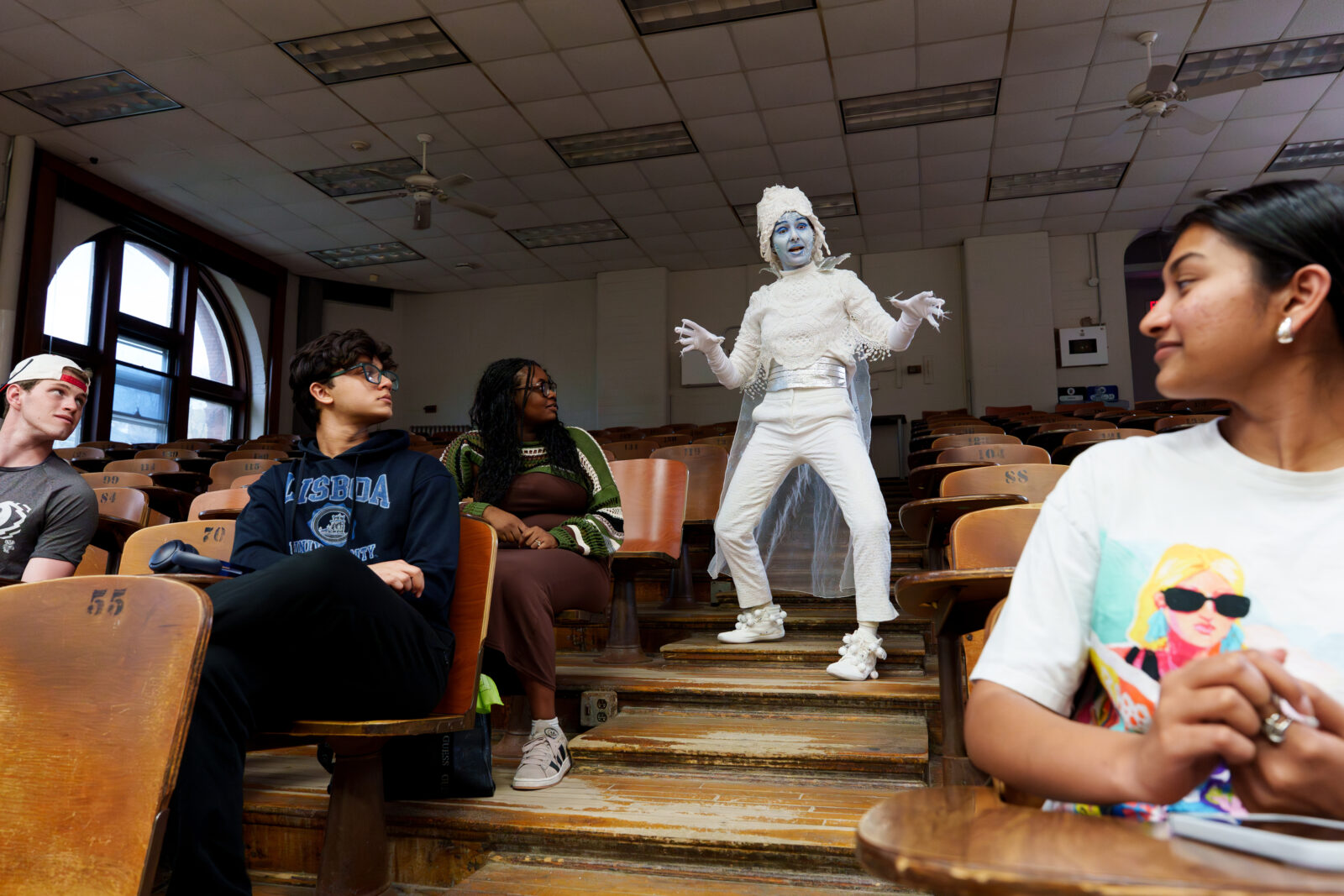
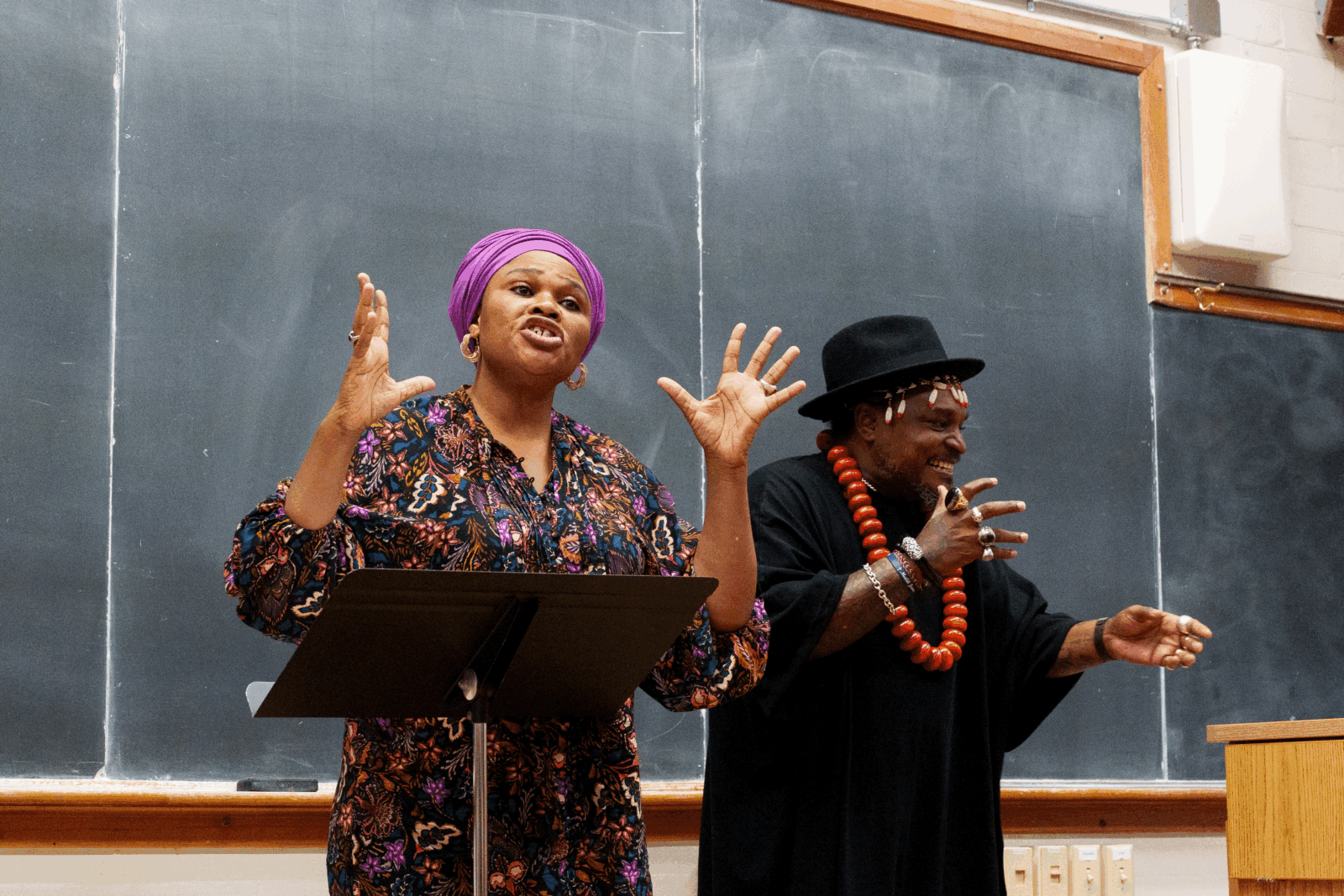
The audience climbs to the second floor of Science Hall, files into a large, cavernous room long home to the geography map library, and settles into rows of wooden chairs. By semester’s end, Science Hall will close for a five-year-long renovation project. But tonight, it will come alive with performances that bridge the worlds of art and science.
The performances are UW–Madison’s contribution to Climate Change Theatre Action, a worldwide festival of short plays that coincide with biennial United Nations meetings on climate. From humorous to urgent, the performances invite audience members to consider what it means to live with climate disruption not as an abstraction, but as something felt — in bodies, communities, and daily choices.
When we’re all in one room, “we breathe together and we feel together,” says Micha Espinosa, a faculty member in the Department of Theatre and Drama. “Sound travels through the body. Hearing the human voice cuts through the illusion that we are separate.”
All of tonight’s performances were curated by students in Espinosa’s “Performance in Practice” course — a new offering from the Department of Theatre and Drama driven by a desire to connect art and science in meaningful ways.
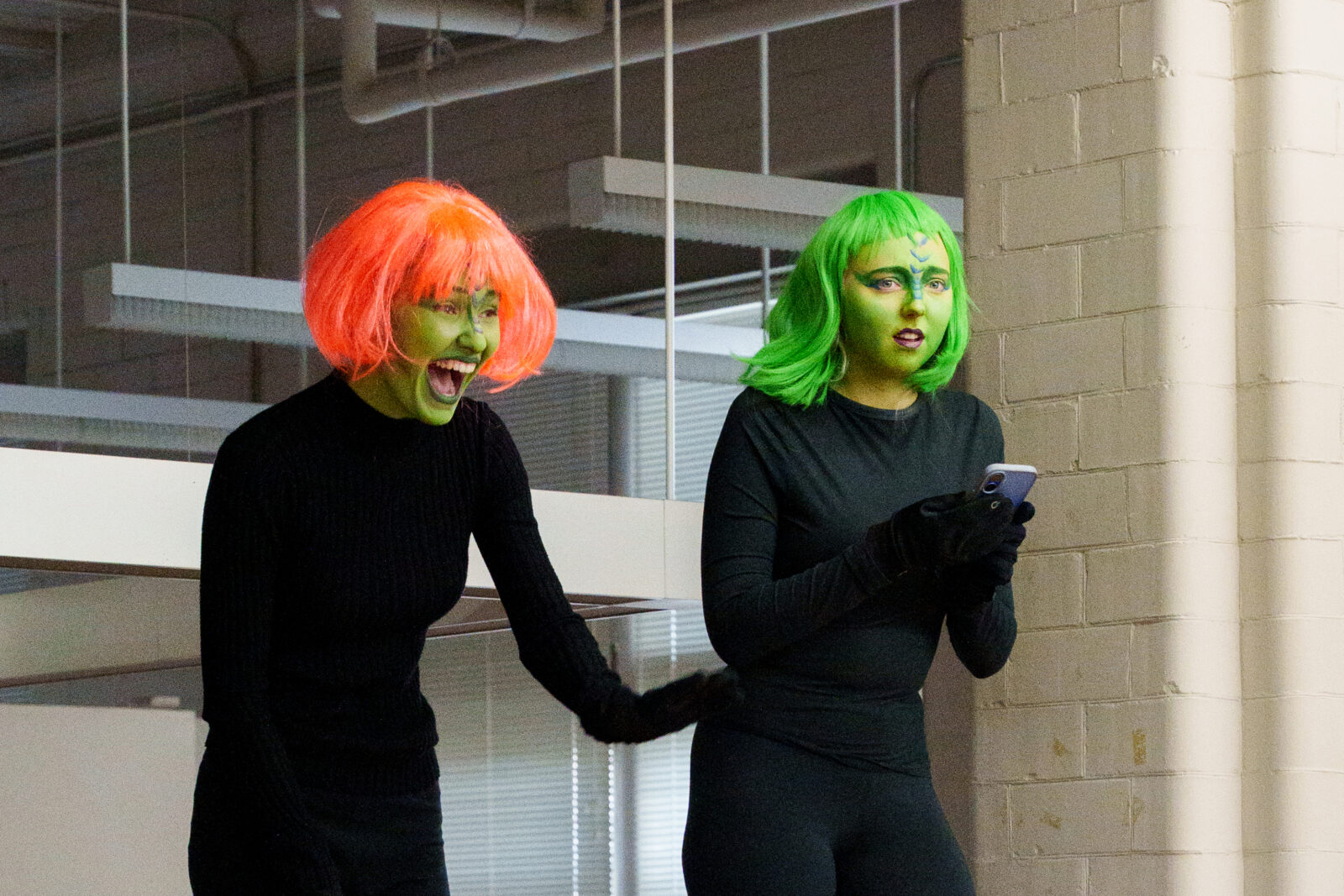
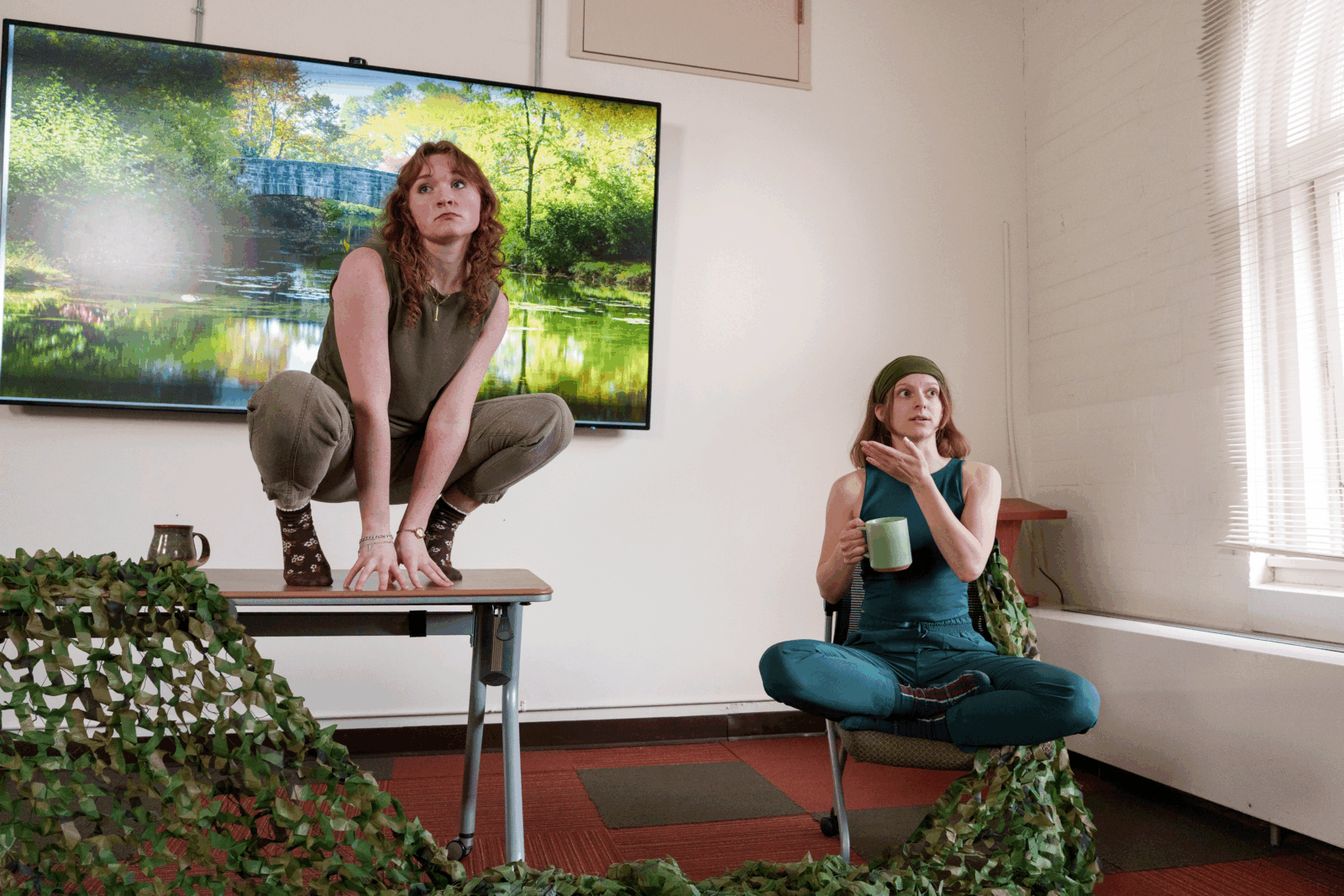
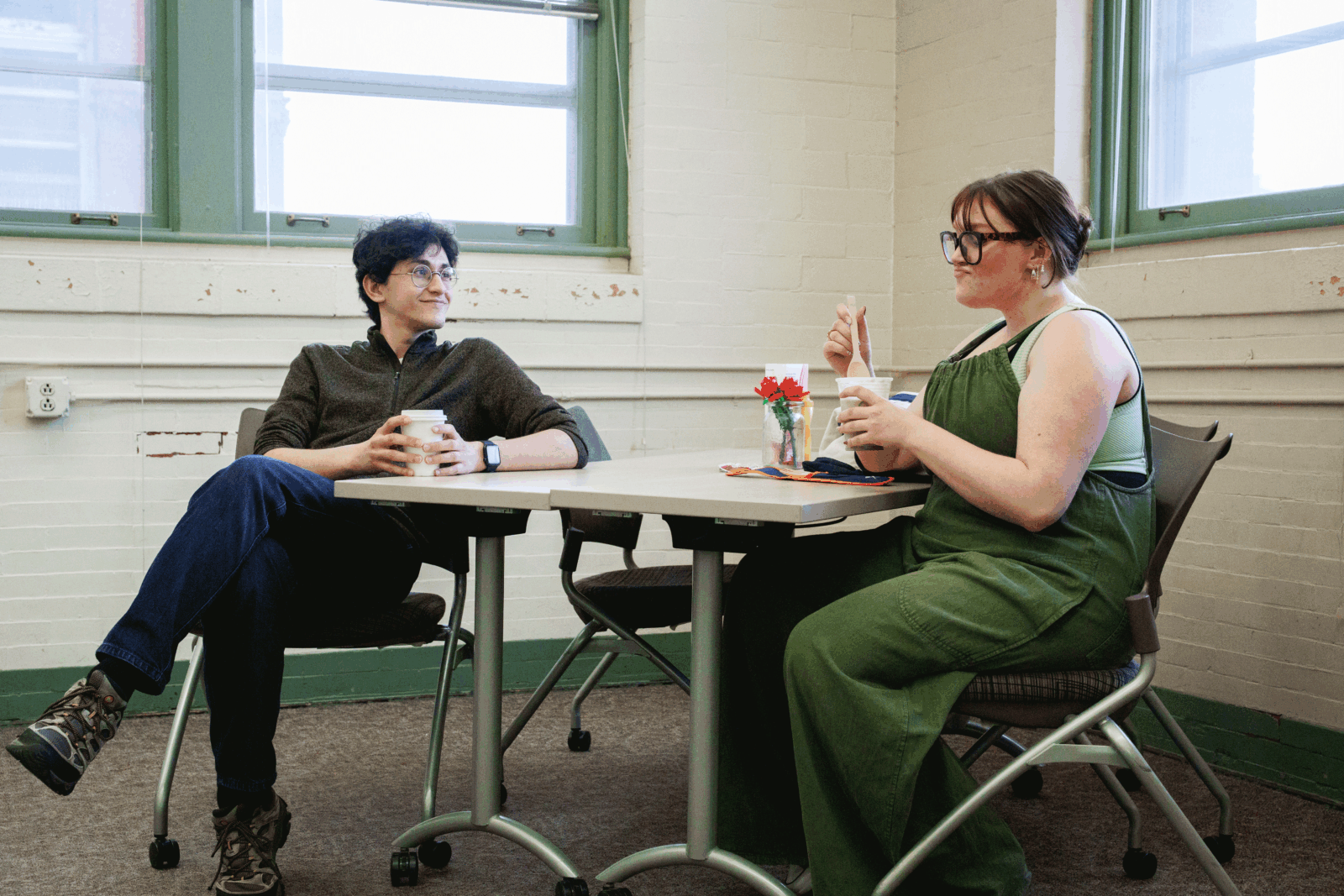
One performance at the event, “Homo Sapiens,” by Chantal Bilodeau, invites the audience to observe two members of a future species, Homo evolutis, as if they were part of a rare wildlife exhibit — snapping photos, “feeding” the humans, and, with wry humor, reflecting on humanity’s role in its own demise. Other short plays feature a melting snowflake turned stand-up comic, a first date undone by climate politics, and an illustration of Ugandan activist Vanessa Nakate’s journey from solitary climate strikes to the international stage at Davos.
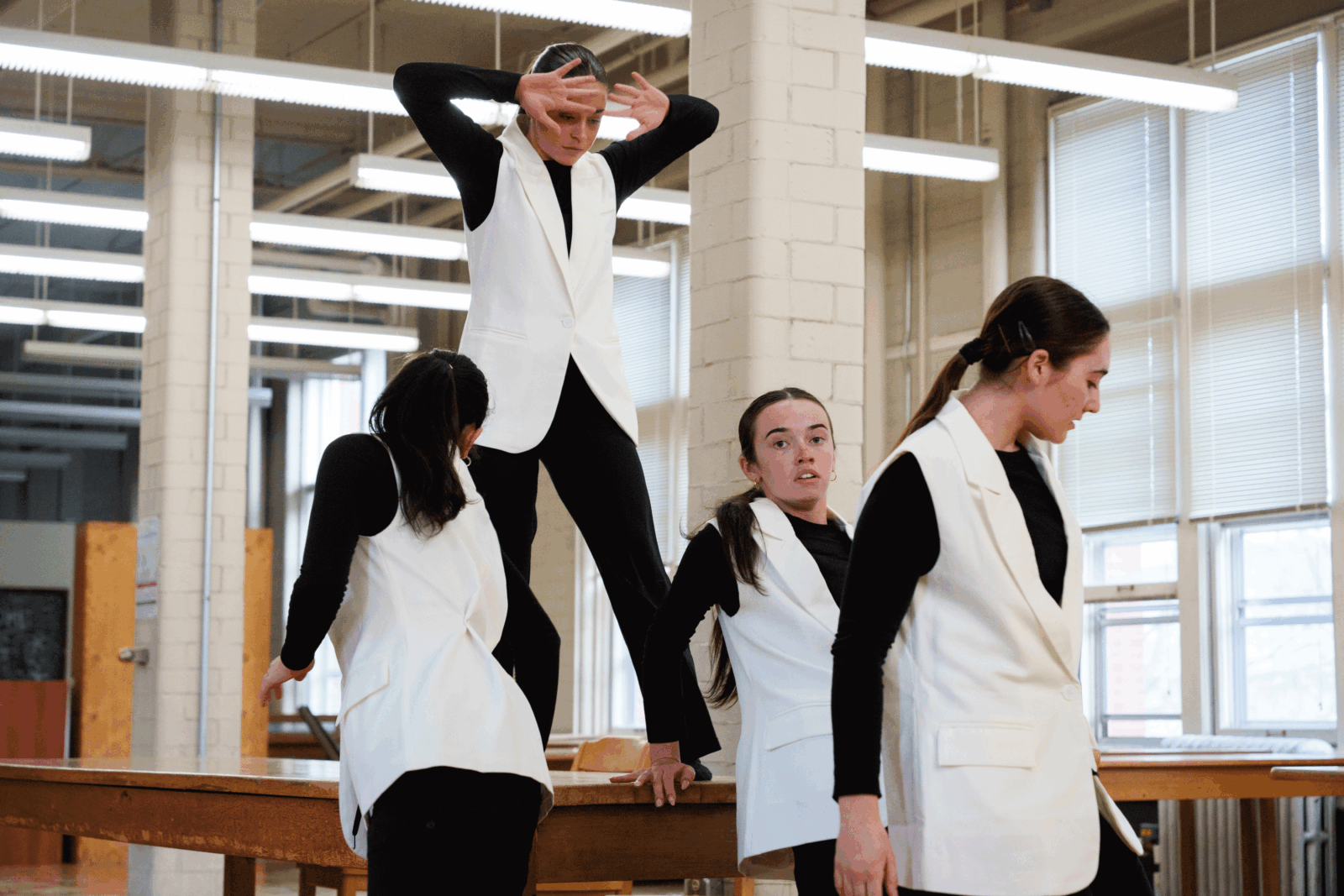
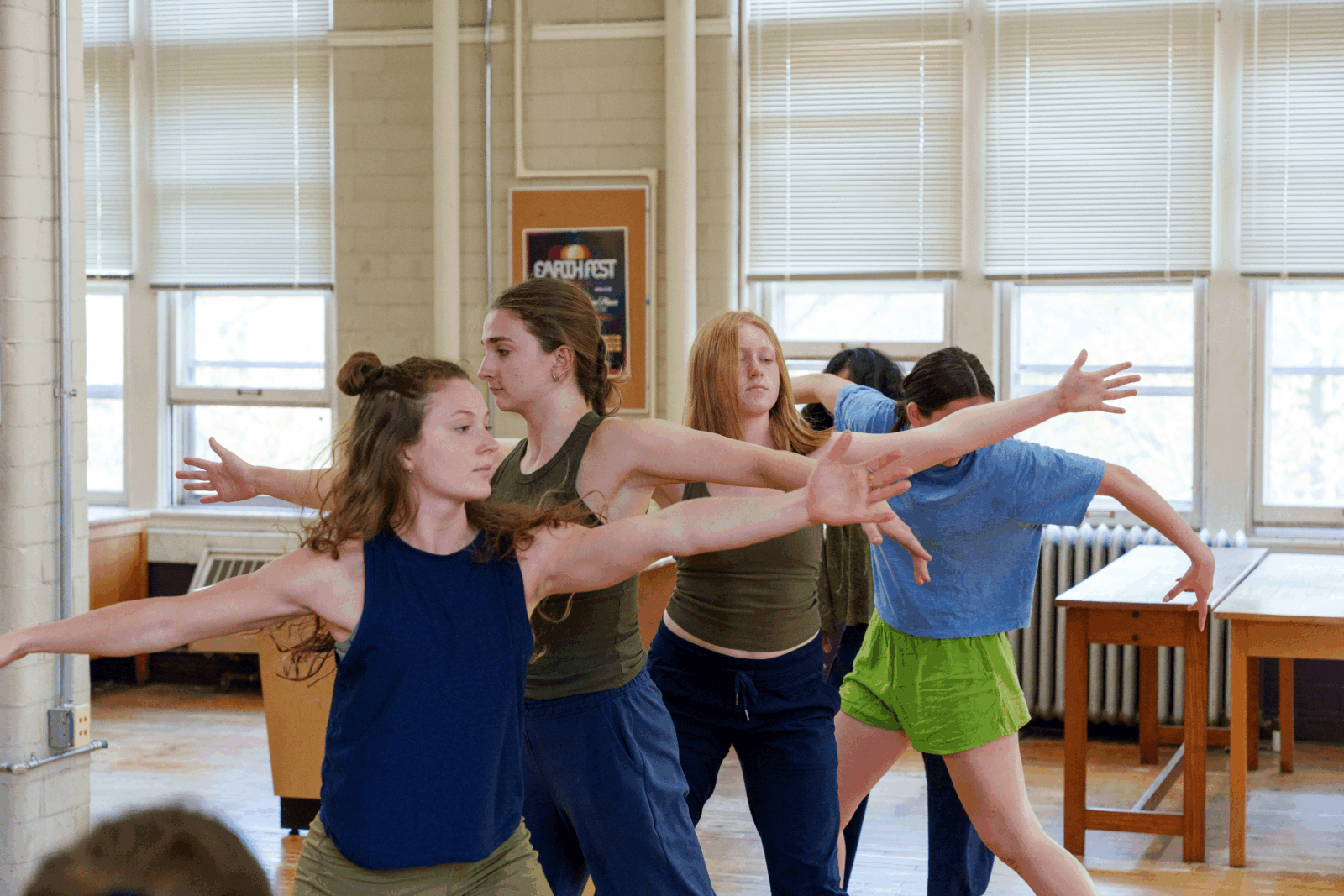
Two movement pieces choreographed by students in the Dance Department respond to two short plays: “Earth Duet,” by E.M. Lewis, and “Not Because We’re Good,” by Chris Thorpe. Dance faculty member Li Chiao-Ping says the performance provided her advanced composition students an opportunity to engage with a critical topic while reaching audiences beyond their usual performance spaces.
“It was meaningful to step outside our building and share our work with people from other disciplines,” she says.
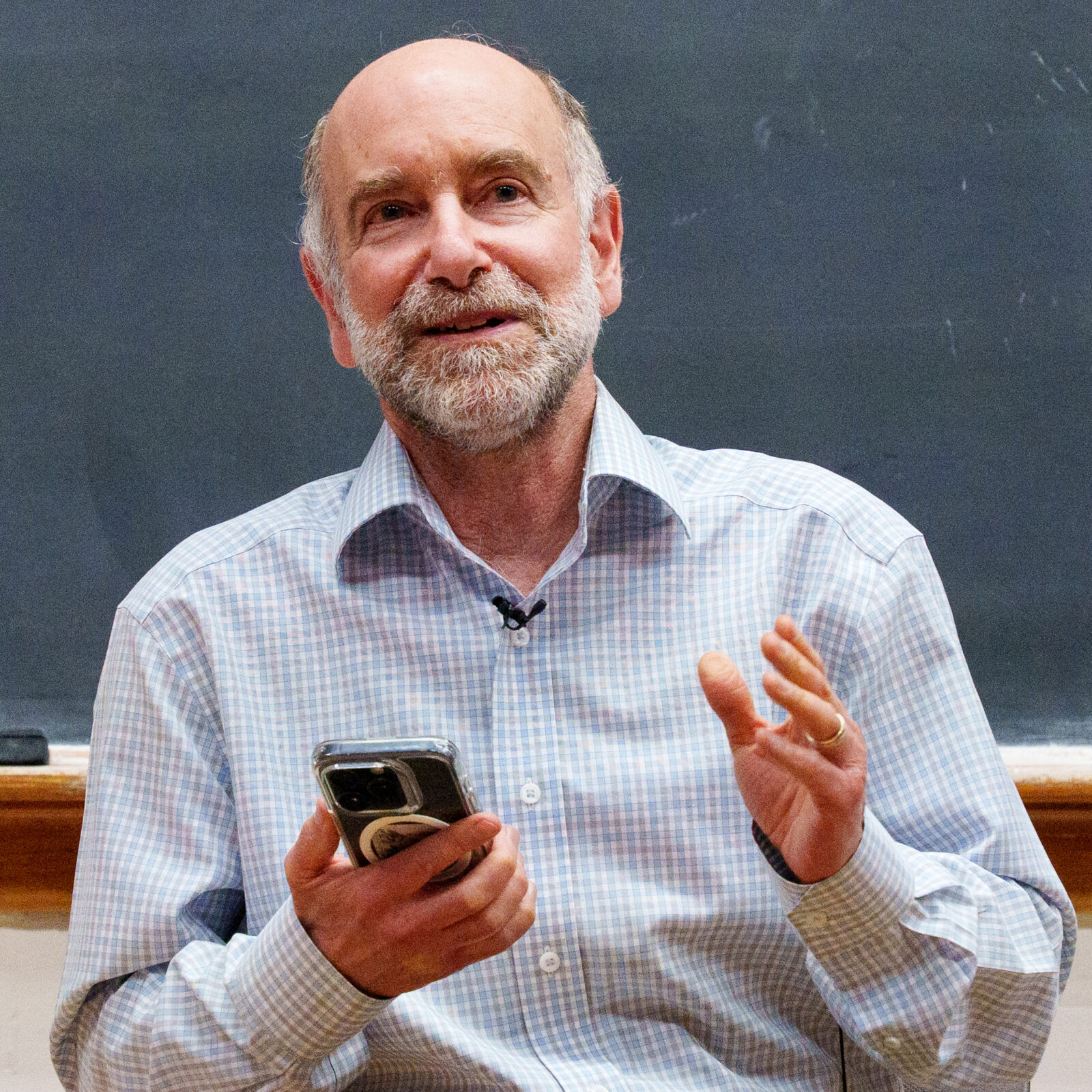
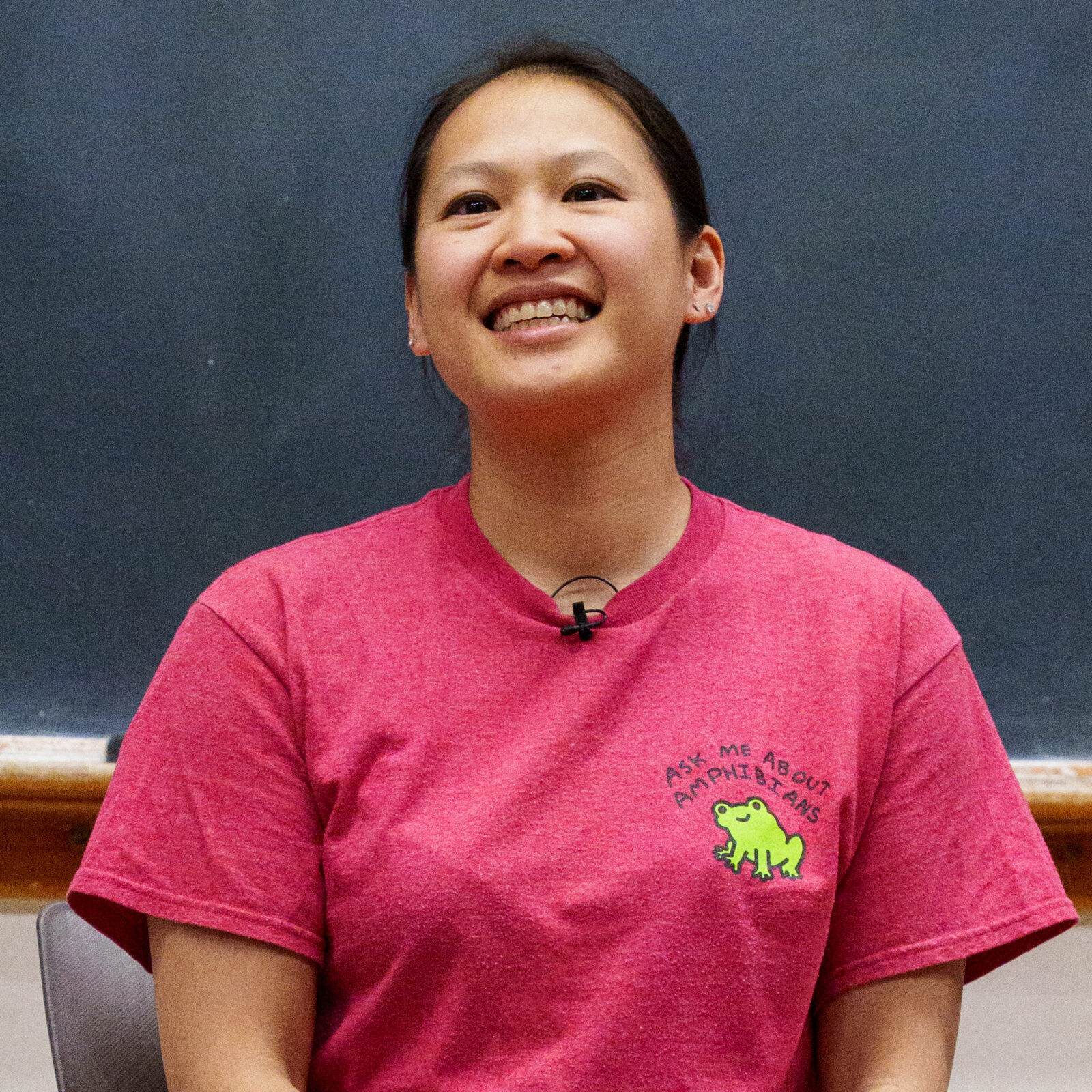
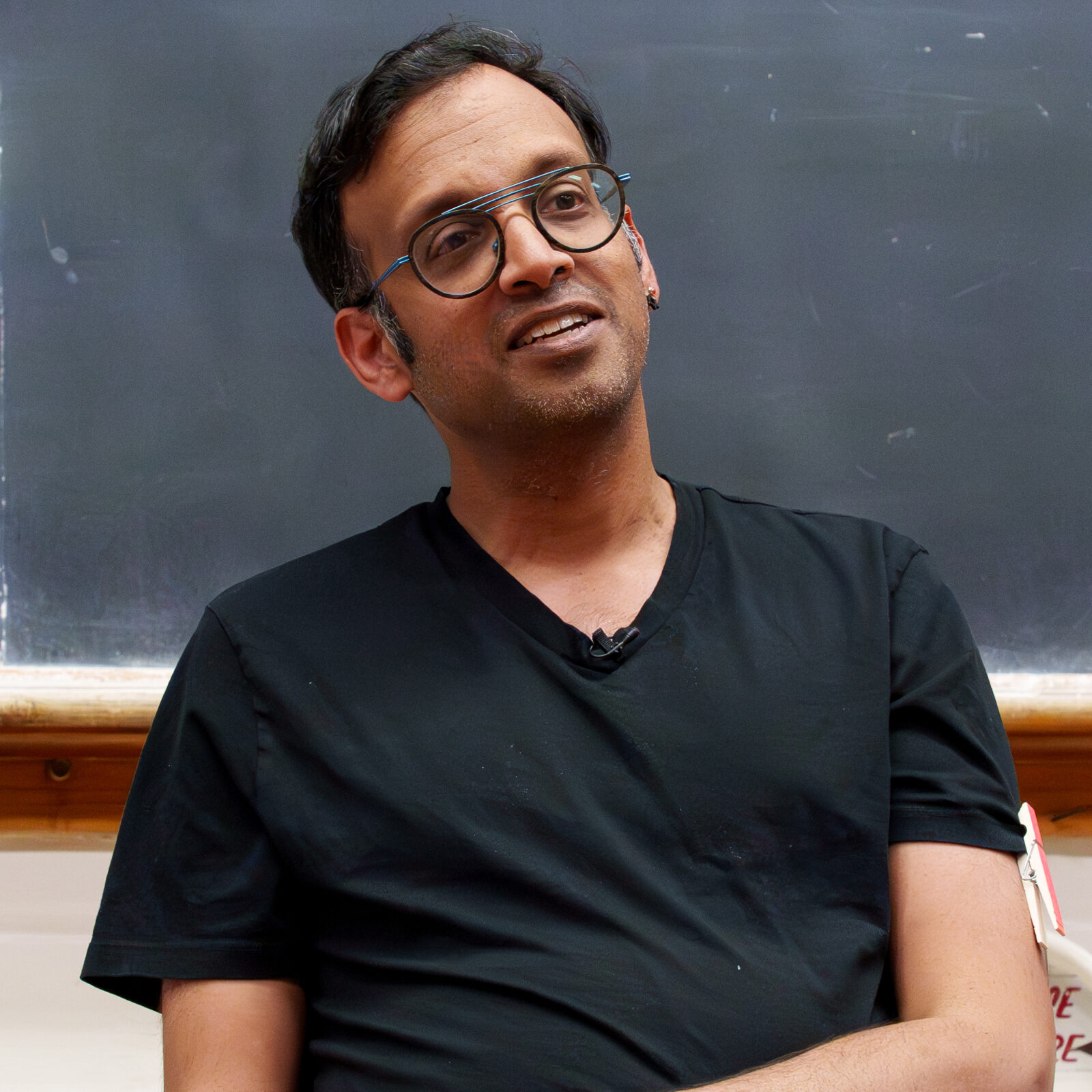
Cross-disciplinary work is at the heart of the event, which ended with a panel discussion featuring three UW–Madison scientists whose research informed the project. The scientists were vital contributors to the performances, including a short play in which two Midwestern frogs lament the destruction of their pond home.
That piece echoes the research of Jessica Hua, a professor of forest and wildlife ecology in UW–Madison’s College of Agriculture and Life sciences. Hua studies how human activities affect aquatic ecosystems, with a particular focus on amphibians.
“Amphibians are among the most threatened vertebrate taxa worldwide and are declining globally,” Hua explains. “Pollutants, climate change, and emerging infectious diseases are all influencing these populations, and we don’t fully understand why or how. My lab focuses on trying to understand that.”
Building a bridge between scientists like Hua and theatre artists has long been a passion for Espinosa. When she arrived on campus last year, she saw an opportunity to collaborate with UW–Madison’s world-class scientists. The result was “Performance in Practice,” where students produced the Climate Change Theatre Action event.
Students met independently for rehearsals and assumed full creative ownership — from selecting the plays to developing dramaturgical boards, designing costumes, and making other artistic choices. At the same time, Li’s students began preparing their own pieces, and additional performers were recruited from campus and the community.
Ankur Desai, a professor in atmospheric and oceanic sciences, also met with students during the course to share his scholarship. For Desai — who describes his research, quite literally, as “watching plants breathe” — the collaboration felt like a natural extension of his work.
“It’s really about listening to the environment and the stories it tells,” he says. “I think that connects naturally to storytelling and expression in theatre. There’s an overlap in trying to express something through a story.”
“What’s exciting at UW–Madison is how interdisciplinary students are,” she says. “They don’t see boundaries between disciplines.”
That overlap resonated for Valerie Rehn, a senior majoring in environmental engineering while pursuing a theatre certificate. Rehn says the course affirmed why studying the arts alongside science is valuable — something she has often felt the need to justify, especially to her parents.
“One doesn’t have to showcase the other; they kind of feed off each other,” she says.
Rehn was not the only student with cross-disciplinary interests who signed on; the course drew participants from a wide range of academic backgrounds, which Espinosa lauds as “wonderful.”
“A number of students realized they could bring together their love of environmental justice and storytelling,” Espinosa says. “That was a real ‘aha’ moment.”
Isaac Schultz, a first-year student majoring in legal studies and sociology, with certificates in theatre and criminal justice, admits he was initially hesitant to enroll in the course — but is glad he did.
“I learned how you can merge science and climate with theatre — and create something meaningful” he says.
Maura Koth, a senior majoring in botany and psychology with a theatre certificate, says it helped her see theatre as more than entertainment.
“I learned you can connect the arts to real-world issues like climate justice or social justice — and use theatre as a tool for education,” she says.
For Espinosa, the success of the new course and the Climate Change Theatre Action event collectively reflect something distinctive about this university.
“What’s exciting at UW–Madison is how interdisciplinary students are,” she says. “They don’t see boundaries between disciplines.”